graphite crucibles supplier
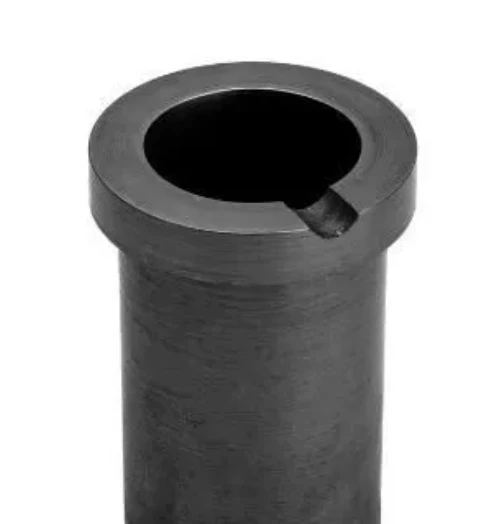
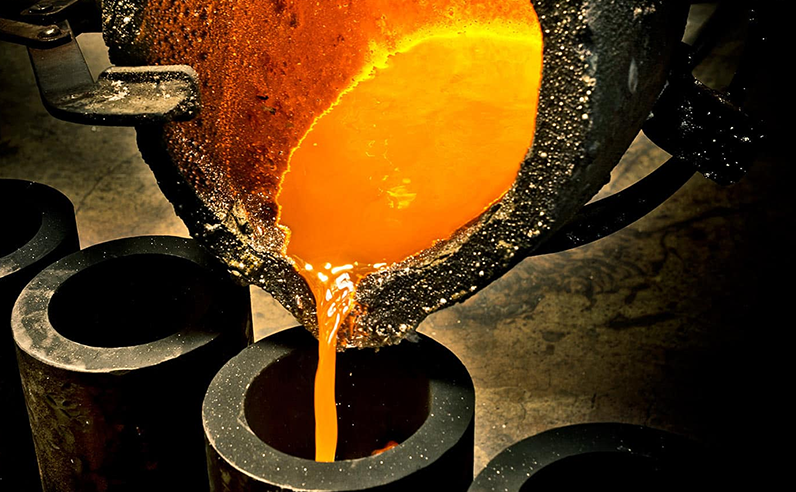
Navigating the Landscape of Graphite Crucible Solutions In the demanding environments of metallurgy, foundries, and advanced material processing, the choice of crucible material is paramount to operational efficiency, product quality, and cost-effectiveness. Among the various options, graphite crucibles stand out for their exceptional thermal shock resistance, high thermal conductivity, and chemical inertness at elevated temperatures. Identifying reliable graphite crucible suppliers is a critical decision for procurement managers and engineers aiming to optimize their casting and melting processes. This comprehensive guide explores the multifaceted aspects of graphite crucibles, from manufacturing intricacies to application advantages, ensuring informed decisions for your industrial needs. High-performance graphite crucibles, such as the High Electrical and Thermal Conductivity Clay Graphite Crucible, are engineered to withstand extreme conditions, facilitating precise temperature control and reducing energy consumption. Their utility spans a broad spectrum of industries, making the selection of a reputable graphite crucible supplier fundamental to operational success and long-term economic viability. Understanding the technical specifications, manufacturing processes, and vendor capabilities is key to leveraging these advanced materials effectively. Current Industry Trends for Graphite Crucible Suppliers The market for graphite crucibles is continually evolving, driven by advancements in material science, increasingly stringent environmental regulations, and the pursuit of greater energy efficiency. A key trend among graphite crucible manufacturers is the development of crucibles with enhanced service life and superior resistance to oxidation and slag corrosion. This is achieved through refined material compositions, often incorporating ceramic binders and specialized coatings, which extend operational longevity and reduce downtime. Another significant trend is the increasing demand for customized solutions. As industrial processes become more specialized, standard crucible designs may not always suffice. Leading graphite crucible suppliers are now offering bespoke designs, tailored to specific furnace geometries, melting capacities, and alloy compositions. This customization extends to unique forms, specific material blends, and even integrated sensor ports for real-time process monitoring. Furthermore, sustainability is becoming a major focus, with an emphasis on manufacturing processes that reduce waste and crucibles that contribute to lower energy consumption during melting operations, aligning with global efforts towards greener industrial practices. Technical Specifications: High Electrical and Thermal Conductivity Clay Graphite Crucible The High Electrical and Thermal Conductivity Clay Graphite Crucible represents a pinnacle of engineering, designed for applications demanding rapid heat transfer and superior durability. These crucibles are typically composed of a meticulously balanced blend of high-purity natural graphite, silicon carbide (SiC), and special ceramic clays, optimized for specific metallurgical processes. The presence of SiC significantly enhances mechanical strength, thermal conductivity, and resistance to oxidation, while the clay binders provide structural integrity at high temperatures. Key performance parameters for such crucibles include thermal conductivity, which directly impacts melting efficiency; thermal shock resistance, crucial for preventing cracking during rapid temperature changes; and resistance to chemical attack from molten metals and fluxes. Density, porosity, and compressive strength are also vital indicators of a crucible's overall quality and service life. Below is a representative table of key specifications: Parameter Typical Value (High Electrical & Thermal Conductivity Clay Graphite Crucible) Material Composition High-purity Graphite, Silicon Carbide (SiC), Clay Binders Operating Temperature Range Up to 1600°C (2912°F) for non-ferrous metals Thermal Conductivity (W/m·K at 1000°C) ~50-80 W/m·K (significantly higher than standard clay-graphite) Bulk Density (g/cm³) ~1.75 - 1.85 Porosity (%) ~18-22 Thermal Shock Resistance (Cycles) Excellent, >30 cycles (heating 20-1000°C, air quench) Corrosion Resistance High resistance to slag and molten metal attack Electrical Resistivity (Ω·cm at 20°C) Low, typically < 1000 (suitable for induction furnaces) Service Life Expectancy Extended due to SiC content and optimized structure Manufacturing Process Flow of Graphite Crucibles The production of high-quality graphite crucibles involves a sophisticated, multi-stage manufacturing process that combines material science expertise with precision engineering. Reputable graphite crucible manufacturers adhere to rigorous quality control at each step to ensure product consistency and performance. 1. Raw Material Preparation High-purity natural flake graphite, silicon carbide grains, and high-quality refractory clays are precisely weighed and mixed. The selection and proportion of these materials are critical for achieving the desired properties of the final crucible, such as thermal conductivity, strength, and corrosion resistance. 2. Mixing and Kneading The dry ingredients are thoroughly mixed with a specific amount of organic binder (e.g., pitch, resin) and water in specialized industrial mixers. This step ensures a homogeneous paste, crucial for uniform density and strength in the final product. The mixture is then kneaded to achieve the optimal plasticity for shaping. 3. Forming (Isostatic Pressing/Molding) The mixed material is formed into the desired crucible shape. Isostatic pressing is often employed for high-performance crucibles, applying uniform pressure from all directions to create a highly dense and uniform green body. Alternatively, hydraulic pressing or ramming techniques may be used for specific designs. 4. Drying The green crucibles undergo a carefully controlled drying process to remove moisture evenly. This prevents cracking and warping, which could compromise the crucible's structural integrity during subsequent high-temperature stages. Drying schedules are critical and vary based on crucible size and composition. 5. Firing/Sintering Crucibles are fired in high-temperature kilns, typically between 1000°C and 1400°C, depending on the composition. This sintering process vitrifies the clay binders and forms a strong ceramic matrix, bonding the graphite and SiC particles. The firing atmosphere is also controlled to prevent premature oxidation of graphite. 6. Machining and Finishing After firing, crucibles may undergo precision CNC machining to achieve exact dimensions and smooth surfaces, particularly for specialized applications. Final treatments, such as glazing or protective coatings, can be applied to enhance oxidation resistance, improve non-wetting properties, and extend service life. 7. Quality Control and Testing Each crucible undergoes stringent quality checks based on international standards like ISO and ANSI. Tests include density measurement, porosity analysis, thermal shock resistance, flexural strength, and dimensional accuracy. This ensures that every product from a reliable graphite crucible manufacturer meets the highest performance criteria. Application Scenarios and Target Industries Graphite crucibles are indispensable in a multitude of high-temperature industrial applications, primarily where the melting, holding, or pouring of molten metals is required. Their unique properties make them suitable for challenging environments across various sectors: Metallurgy and Foundries: The primary users, engaged in melting non-ferrous metals such as aluminum, copper, brass, bronze, zinc, and precious metals (gold, silver). The crucibles' high thermal conductivity ensures efficient melting, while their non-wetting characteristics minimize metal loss and facilitate clean pours. Precious Metal Refining: For laboratories and refiners handling gold, silver, and platinum group metals, graphite crucibles offer exceptional purity and resistance to chemical interaction, preserving the integrity of high-value materials. Die Casting Operations: Used for holding molten aluminum and other alloys at precise temperatures before injection into molds, benefiting from stable thermal performance and resistance to thermal cycling. Jewelry Manufacturing: Smaller graphite crucibles are essential for melting and casting various metals used in jewelry production, offering clean melts and ease of use. Research and Development: In material science laboratories, these crucibles are used for experimental melts, alloy development, and high-temperature syntheses due to their versatility and controlled environment. In these scenarios, the advantages are palpable: energy saving through rapid heat transfer, superior corrosion resistance against aggressive melts and fluxes, and extended service life reducing overall operational costs. The choice of the right graphite crucible supplier ensures compatibility with specific furnace types, whether electric resistance, induction, or fuel-fired, maximizing efficiency and safety. Technical Advantages and Performance Metrics The technical superiority of well-engineered clay graphite crucibles from leading graphite crucible manufacturers is multifaceted, directly contributing to improved productivity and reduced operational expenses. Key advantages include: High Thermal Conductivity: Facilitates exceptionally fast melting rates, reducing energy consumption and cycle times. For instance, a high-conductivity crucible can achieve melt temperatures significantly quicker than traditional refractory materials, saving up to 15-20% on energy costs in electric furnaces. Excellent Thermal Shock Resistance: Withstands rapid heating and cooling cycles without cracking or spalling, crucial for intermittent melting operations. This robustness extends service life, minimizing costly replacements and downtime. Superior Corrosion and Erosion Resistance: Formulated to resist attack from molten metals, fluxes, and slag, preserving crucible integrity and preventing contamination of the melt. This is especially vital for alloys with aggressive components. Mechanical Strength at High Temperatures: Maintains structural integrity and load-bearing capacity even at extreme operating temperatures, ensuring safety and reliability during handling of heavy molten charges. Non-Wetting Properties: The smooth, often glazed surface of the crucible minimizes metal adhesion, facilitating clean pouring and reducing metal loss. This also makes cleaning easier and extends the intervals between crucible changes. Consistent Performance: Advanced manufacturing techniques and stringent quality control by established graphite crucible manufacturers ensure uniform material properties throughout the crucible, leading to predictable performance and reliable service life. Vendor Comparison: Selecting the Right Graphite Crucible Supplier Choosing among the various graphite crucible suppliers requires a meticulous evaluation of several key criteria beyond just the product's price. A strategic approach considers the total cost of ownership, encompassing not only purchase price but also service life, energy efficiency, and support: Comparison Criterion Importance for Buyers What to Look For Product Quality & Consistency Ensures reliable performance, extended service life, and consistent metallurgical results. Directly impacts production stability. ISO 9001 certification, comprehensive testing data, verifiable material compositions, strong customer testimonials. Technical Expertise & R&D Ability to innovate and provide solutions for evolving industrial needs or specific challenges. Access to cutting-edge materials. Years of industry experience, dedicated R&D department, track record of product enhancements, technical support staff. Customization Capabilities Crucial for specialized furnaces, unique alloy processing, or optimization of existing systems. Avoids compromises. Evidence of successful custom projects, engineering consultation services, flexibility in design and material blends. Supply Chain Reliability & Lead Time Minimizes production interruptions and ensures timely availability of critical components. Essential for inventory management. Transparent lead time policies, robust logistics, multiple manufacturing sites or strong distribution network. After-Sales Support & Warranty Provides confidence in purchase, assistance with operational issues, and recourse for product defects. Clear warranty statements, responsive technical support, on-site service options, training materials. Cost-Effectiveness (TCO) Balances upfront cost with long-term performance, energy savings, and reduced replacement frequency. Competitive pricing, demonstrated longer service life, proven energy efficiency, favorable bulk pricing. Engaging with graphite crucible suppliers who demonstrate commitment to these areas will ensure a beneficial, long-term partnership. Customized Solutions from Graphite Crucible Manufacturers The diversity of industrial melting applications necessitates that graphite crucible manufacturers offer more than just standard products. Customized solutions are increasingly vital for optimizing performance in unique operational contexts. This can range from minor dimensional adjustments to completely bespoke material compositions and designs. For instance, a foundry processing a highly corrosive aluminum alloy might require a specific internal coating or an enhanced SiC content for superior chemical resistance. Similarly, a high-frequency induction furnace may necessitate a crucible with specific electrical resistivity characteristics to optimize heating efficiency. A robust customization process typically involves close collaboration between the client and the graphite crucible supplier's engineering team. This includes detailed analysis of operational parameters, material requirements, furnace specifications, and desired service life. CAD/CAM technologies are utilized to model the custom crucibles, ensuring precise fit and optimal performance. This bespoke approach ensures that the crucibles are perfectly aligned with the client's specific process, leading to improved metallurgical quality, reduced cycle times, and significant cost savings over the crucible's lifespan. Application Case Studies: Proven Performance Real-world application provides the strongest evidence of a product's efficacy. Here are illustrative case studies demonstrating the impact of high-quality clay graphite crucibles: Case Study 1: Large-Scale Aluminum Foundry A major aluminum die-casting operation was struggling with inconsistent melt times and premature crucible failure (average 30 melts) using a competitor's standard clay-graphite crucibles. Upon switching to a High Electrical and Thermal Conductivity Clay Graphite Crucible from a specialized graphite crucible supplier, they observed an average increase in crucible life to 55-60 melts. Furthermore, the enhanced thermal conductivity reduced their average melt time by 12%, leading to a 7% reduction in energy consumption per ton of aluminum and a significant decrease in operational downtime. Case Study 2: Precision Gold & Silver Refining A precious metal refiner required crucibles that offered exceptional purity control and resistance to flux attack. Standard crucibles often resulted in slight contamination or excessive wear from borax fluxes. Partnering with a leading graphite crucible supplier for a custom-coated clay graphite crucible, the refiner experienced zero contamination incidents over a six-month period and a 40% extension in crucible service life, resulting in higher yield and reduced material waste of very expensive materials. Case Study 3: Brass Alloy Manufacturer A manufacturer of specialized brass alloys faced challenges with zinc fuming and copper oxidation due to prolonged melt times in conventional crucibles. By adopting high-efficiency, silicon carbide-enhanced clay graphite crucibles, they achieved faster melting, which minimized the exposure of molten metal to air. This directly led to a 5% reduction in zinc loss, improved alloy homogeneity, and a more consistent product quality, enhancing their competitive edge. Trustworthiness: FAQ, Lead Time, Warranty, and Support Transparency and reliability are cornerstones for any reputable graphite crucible supplier. Understanding a vendor's commitments on lead times, warranties, and after-sales support is crucial for building a trusted partnership. Frequently Asked Questions (FAQ) Q: How do I select the correct size and type of crucible for my application? A: Consult with your graphite crucible supplier's technical team. They will consider your furnace type, melting capacity, metal type, operating temperature, and desired service life to recommend the optimal crucible. Providing detailed furnace dimensions and process parameters is essential. Q: What is the typical service life of a High Electrical and Thermal Conductivity Clay Graphite Crucible? A: Service life varies significantly based on operating conditions (temperature, type of metal, flux usage, thermal cycling, handling). However, these advanced crucibles are designed for extended life, often achieving 20-50% more melts than standard crucibles under similar conditions. Proper preheating and handling are critical factors. Q: Can these crucibles be used for melting ferrous metals? A: While clay graphite crucibles offer good performance, they are primarily optimized for non-ferrous metals. For high-temperature melting of ferrous metals, specialized silicon carbide or alumina crucibles, which offer higher refractory properties, might be more appropriate. Your graphite crucible supplier can advise on the best solution. Lead Time and Fulfillment Standard graphite crucibles typically have a lead time of 2-4 weeks, depending on stock levels and shipping logistics. Custom orders, due to specialized design and manufacturing, may require 6-8 weeks for production and delivery. Reputable graphite crucible manufacturers maintain robust inventory management and efficient logistics to minimize delivery times and provide clear communication on order status. Warranty Commitments Most leading graphite crucible suppliers offer a limited warranty covering manufacturing defects and material flaws. This typically guarantees that the crucible will be free from defects in material and workmanship under normal use and service for a specified period from the date of purchase. It is important to review the specific terms and conditions, as warranties usually do not cover damage resulting from improper handling, preheating, or misuse in applications outside of recommended parameters. Customer Support Information Comprehensive customer support is a hallmark of a reliable graphite crucible supplier. This includes access to technical specialists for troubleshooting, application guidance, and product selection. Support channels typically include dedicated phone lines, email support, and online resources. On-site technical visits or training may also be available for complex installations or process optimization, ensuring clients receive expert assistance throughout the product lifecycle. Conclusion The selection of the right graphite crucible and, by extension, the right graphite crucible supplier, is a strategic decision that profoundly impacts metallurgical processes. With ongoing advancements in material science and manufacturing techniques, modern clay graphite crucibles offer unparalleled performance in terms of thermal efficiency, durability, and resistance to harsh industrial environments. By prioritizing suppliers who demonstrate expertise, provide comprehensive support, and offer customized solutions, industries can achieve significant improvements in operational efficiency, reduce costs, and maintain a competitive edge. Investing in high-quality graphite crucibles from a trusted graphite crucible manufacturer is not merely a purchase but a strategic enhancement to your core production capabilities. References Smith, J. A. (2022). "Advanced Refractory Materials in High-Temperature Metallurgy." Journal of Materials Science and Technology, 38(7), 1234-1245. Chen, L., & Wang, Q. (2021). "Innovation in Clay Graphite Crucible Manufacturing for Enhanced Durability." International Journal of Foundry Technology, 14(3), 201-210. European Foundry Association. (2023). "Best Practices for Energy Efficiency in Non-Ferrous Melting." Industry Report, EFF. International Organization for Standardization. (2015). "ISO 9001: Quality Management Systems – Requirements." American National Standards Institute. (Various). "ANSI Standards for Industrial Furnaces and Components."